
North Bangalore
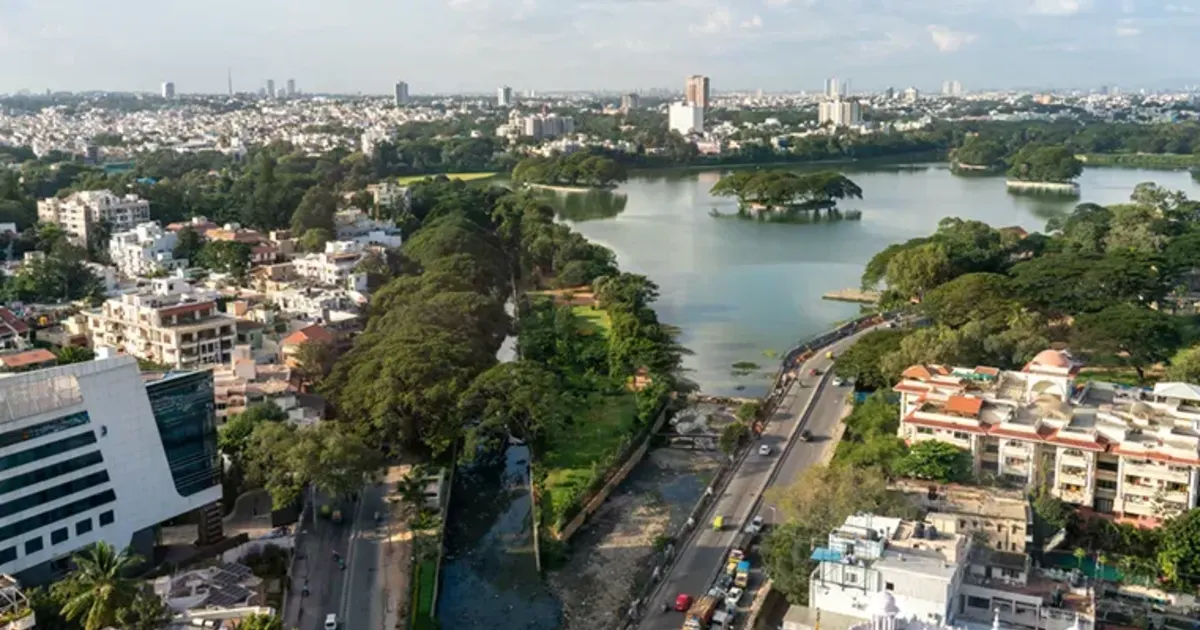
North Bangalore has emerged as one of the most discussed urban regions in Bangalore due to its infrastructure growth, planned road networks, and expanding residential developments. Over the last decade, the region has gradually transformed from a quieter suburban zone into a major residential and commercial corridor.
Today, North Bangalore attracts attention from homebuyers, working professionals, and investors looking for better urban planning and long-term infrastructure potential. Areas such as Yelahanka New Town have become especially important because they offer a balance between connectivity and residential comfort.
The presence of large-scale developments, airport access routes, and improving civic infrastructure has significantly contributed to the region’s growth.
Why North Bangalore Has Gained Attention
Infrastructure Expansion
One of the key reasons behind the popularity of North Bangalore is continuous infrastructure development. Road widening projects, elevated corridors, and improved highway access have strengthened connectivity across the region.
The expansion of airport-linked infrastructure has also influenced residential demand in nearby areas.
Planned Urban Development
Compared to some older parts of Bangalore, North Bangalore contains several planned residential pockets with wider roads and organized layouts. This has helped the area support both residential and commercial expansion more efficiently.
Locations such as Yelahanka continue to benefit from relatively structured urban growth patterns.
Connectivity Advantages in North Bangalore
Airport Accessibility
The proximity to Kempegowda International Airport is one of the strongest connectivity advantages for North Bangalore. Many residential areas in this region provide relatively direct access to the airport through major highways and arterial roads.
This has increased demand among professionals who travel frequently for work or business.
Road and Highway Networks
North Bangalore is connected through major routes including Bellary Road (NH 44), Outer Ring Road links, and elevated road corridors. These routes support connectivity toward central Bangalore, Hebbal, and various technology hubs.
Improved road infrastructure has also reduced travel dependency on older city routes.
Public Transport Availability
The region is supported by BMTC bus connectivity and railway access through stations such as Yelahanka Railway Station. These transport options improve accessibility for daily commuters.
As Bangalore continues expanding outward, transport integration remains a major advantage for North Bangalore.
Residential Growth in Divyasree Yelahanka
Demand for Planned Communities
Residential demand in Divyasree Yelahanka and nearby localities has increased due to the availability of larger land parcels and better planning opportunities. Developers are increasingly focusing on mid-rise and high-rise apartment communities with integrated amenities.
Buyers are also paying greater attention to layout efficiency, open space allocation, and long-term usability.
Shift Toward North Bangalore Living
Many families now prefer North Bangalore because of its comparatively calmer environment and developing infrastructure ecosystem. Unlike highly congested city-center zones, several parts of North Bangalore continue to maintain lower density traffic conditions.
This balance between urban growth and residential comfort has become an important factor for modern homebuyers.
DivyaSree Project in North Bangalore
Importance of Location Selection
A major factor influencing residential projects in North Bangalore is location planning. Developers often focus on areas with future infrastructure potential, strong road connectivity, and access to employment zones.
A DivyaSree Project in North Bangalore benefits from being positioned within a region that continues to witness long-term urban expansion.
Yelahanka as a Residential Destination
Yelahanka New Town has developed into one of the more established residential locations in North Bangalore. The area already contains educational institutions, healthcare facilities, retail spaces, and public transport infrastructure.
This reduces dependency on distant city zones for everyday requirements and improves overall residential convenience.
Employment and Commercial Development
Expanding Business Corridors
Commercial activity in North Bangalore has grown alongside residential expansion. Business parks, office spaces, and airport-linked commercial developments have contributed to employment generation across the region.
Areas connected through Hebbal and airport corridors continue to experience ongoing commercial interest.
Long-Term Urban Relevance
The long-term growth of North Bangalore is closely linked to infrastructure planning and regional expansion policies. As Bangalore continues to evolve, the northern corridor is expected to remain significant due to available development space and strategic connectivity.
This has positioned North Bangalore as both a residential and economic growth zone.
Conclusion
North Bangalore has gradually transformed into one of Bangalore’s most important urban growth corridors. Strong connectivity, planned infrastructure, airport accessibility, and expanding residential communities have all contributed to its growing relevance.
Areas such as Yelahanka continue to attract attention because they offer a practical balance between accessibility and residential planning. A DivyaSree Project in North Bangalore reflects the broader development trend visible across the region, where long-term infrastructure growth and organized urban expansion are shaping future residential demand.